
Nutrition for Vision: What Improves Your Eyes (and What Doesn’t)
Nutrition for Vision: What Improves Your Eyes (and What Doesn’t)

You’ve heard that carrots are good for your eyes. But modern research shows that nutrition for vision is far more nuanced than that.
Scientists now understand how specific nutrients influence retinal cells, tear production, and oxidative stress.
Some supplements are strongly supported by evidence, while others are still being studied.
Here’s what current research actually says about food, supplements, and long-term eye health.
How Nutrition Affects the Eye
The retina is the light-sensitive layer at the back of your eye that allows you to see. It uses a lot of oxygen and is constantly exposed to light.
Because of this, it’s more vulnerable to something called oxidative stress — a type of cell damage that happens naturally over time.
Nutrients such as antioxidants (found in fruits and vegetables) and healthy fats (found in fish and nuts) help protect these delicate retinal cells. When your diet lacks these nutrients for many years, it may increase the risk of certain age-related eye changes.
Inflammation & Eye Health
Many common eye conditions (including dry eye and macular degeneration) are linked to inflammation.
What you eat can either increase or reduce inflammation throughout your body, including your eyes.
That’s why current research focuses less on single “miracle vitamins” and more on overall eating patterns. A balanced, nutrient-rich diet supports long-term eye health better than relying on one supplement alone.
Targeted Nutrition for Common Eye Diseases
Age-Related Macular Degeneration (AMD):
The strongest nutritional evidence for age-related macular degeneration comes from the AREDS and AREDS2 clinical trials. These large studies found that a specific antioxidant formula reduced the risk of progression to advanced AMD by about 25% in high-risk patients.
The AREDS2 formula includes:
- Vitamin C
- Vitamin E
- Zinc
- Copper
- Lutein
- Zeaxanthin
This formula is recommended for people with intermediate or advanced AMD. It is not necessary for patients without signs of the disease. Because early AMD can be difficult to detect without imaging, regular comprehensive eye exams help determine whether supplementation is appropriate and ensure you’re treating the right condition.
Food Patterns Matter Too
Research also shows that a Mediterranean-style diet, rich in leafy greens, fish, nuts, and olive oil, is associated with lower AMD progression.
This suggests long-term dietary habits may be just as important as supplements for protecting vision.

Dry Eye Disease
Omega-3 Fatty Acids
Omega-3 fatty acids are among the most studied nutrients for dry eye. They support healthy tear film and help regulate inflammation.
Some studies show omega-3 intake reduces dryness and irritation. However, large trials show mixed results, meaning the benefit may vary by patient.
Dietary sources like salmon, sardines, and flaxseed remain a smart first step.
Vitamin D and Inflammation
Emerging research suggests vitamin D levels may correlate with dry eye severity. The connection is not fully understood, but inflammation appears to be a shared mechanism.
For most people, maintaining healthy vitamin D levels through diet and safe sun exposure is preferable to high-dose supplementation.
Cataracts
Cataracts develop when the eye’s natural lens becomes cloudy. Oxidative damage plays a role in this process.
Studies show that higher intake of vitamin C and antioxidant-rich foods may reduce cataract risk over time. Whole foods appear more protective than isolated supplements.
What Supplements Can (and Can’t) Do
Supplements Aren’t Prevention for Everyone
Not everyone benefits from eye supplements. The strongest evidence applies specifically to people with diagnosed intermediate or advanced AMD.
Taking high-dose antioxidants without medical guidance can be unnecessary or even harmful. More is not always better.
Whole Foods Come First
Nutrients work together in complex ways inside whole foods. Supplements isolate compounds, but food provides synergistic benefits.
A balanced diet rich in vegetables, fruits, healthy fats, and lean protein remains the foundation of good nutrition for vision.
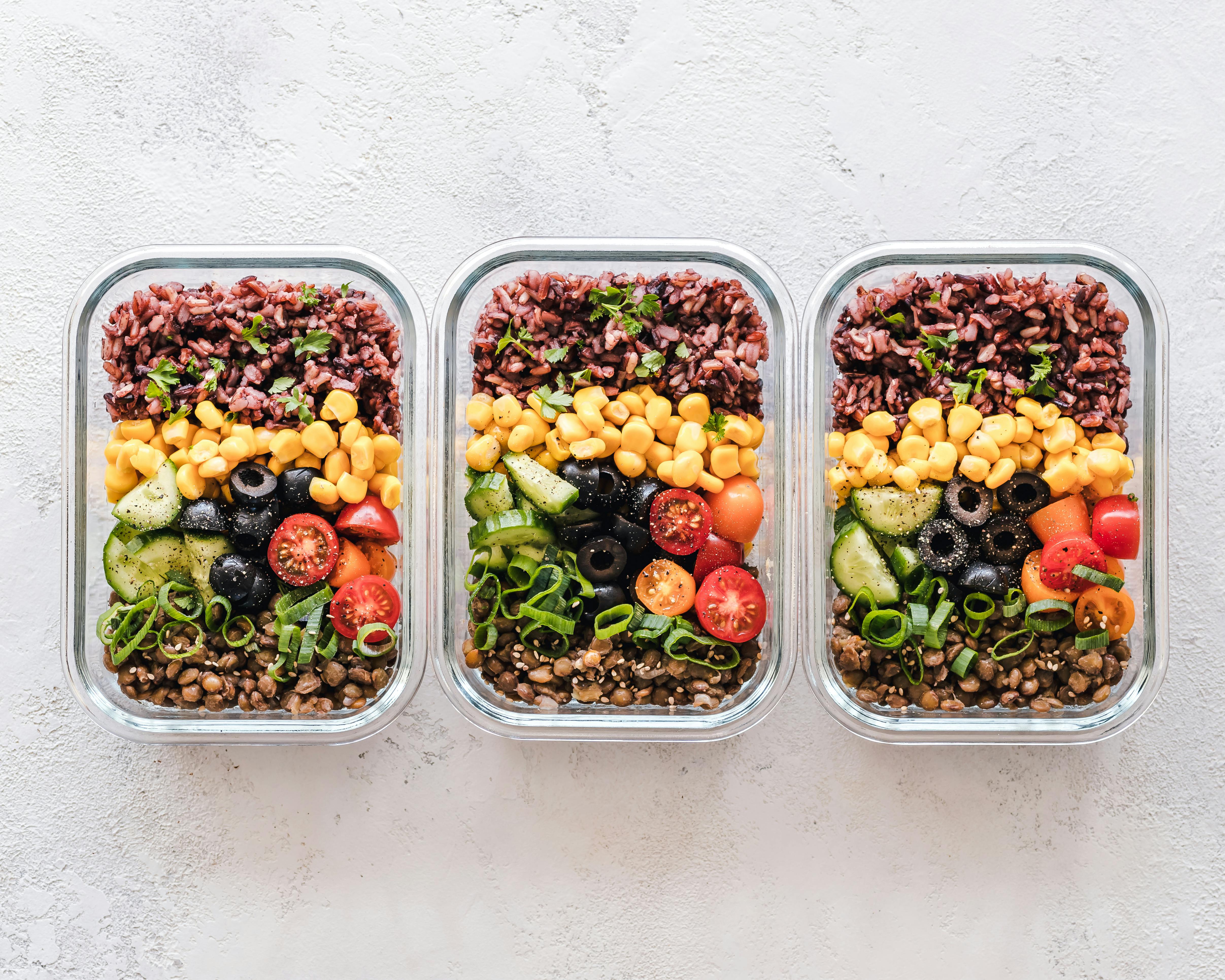
Prioritize Dietary Patterns Over Single Nutrients
Modern research increasingly emphasizes overall eating patterns. Diets high in processed foods and refined sugars are associated with increased inflammation and metabolic disease.
Conditions like diabetes significantly affect eye health, increasing the risk of retinopathy and vision loss. Blood sugar control is just as important as antioxidant intake.
The takeaway: sustainable dietary habits matter more than chasing trends.
Practical Guidelines Backed by Evidence
If you want to support your eyes through nutrition:
- Eat leafy greens several times per week
- Include fatty fish 1–2 times weekly
- Choose colorful fruits and vegetables
- Limit processed foods and excess sugar
The goal isn’t perfection, it’s consistency. Combined with regular eye care, these habits give your eyes the best chance to stay healthy for decades to come.
When to Talk to Your Eye Doctor
If you’ve been diagnosed with AMD or chronic dry eye, ask whether supplementation is appropriate for you. Individual risk factors, genetics, and disease stage all matter.
Scheduling a comprehensive eye exam allows us to detect changes early. Nutrition supports your eyes, but professional monitoring protects your vision long term.
Book Your Eye Exam in Mill Creek
Schedule your comprehensive eye exam at Mill Creek Family Eye Center today.
Book an Eye Exam